Across multiple organ systems, adults who sleep between 6.4 and 7.8 hours per night show the lowest biological age gaps when compared with people who sleep either less or more.1 That finding comes from a 2026 multi-omics study that tracked more than 37,000 UK Biobank participants against 23 biological aging clocks spanning brain, immune, metabolic, cardiovascular, and other organ systems. The result was not a straight line running in either direction. It was a U-shape, with accelerated biological aging at both extremes and a valley in between. Sleep and aging now have a sharper quantitative relationship than older research suggested, and that relationship is not simply “more sleep is better.”
This article walks through what the evidence actually says about that curve: where the data came from, what mechanisms drive aging at the short-sleep end versus the long-sleep end, what individual genetics and circadian biology mean for translating a population average into personal practice, and what continuous wrist-based physiological monitoring can and cannot contribute to tracking your own position on that curve over time.
The U-shaped curve: where sleep and aging intersect
O’Toole et al. (2026, Nature) approached the question of sleep duration and biological aging by fitting generalized additive models to UK Biobank data.1 That methodological choice matters. Generalized additive models allow the relationship to take whatever shape the data actually support rather than forcing a straight line through the observations. If the relationship had been linear, the model would have found a line. Instead, it found a curve: biological age gap, meaning the difference between predicted organ-system age and actual chronological age, rose at both the short-sleep and long-sleep extremes, and reached a minimum somewhere in between.
Of 23 biological aging clocks tested, 9 showed statistically significant nonlinear associations with sleep duration after Bonferroni correction for multiple comparisons. The clocks came from three different measurement modalities: 11 derived from plasma proteomics, 5 from metabolomics, and 7 from MRI imaging across 17 organ and tissue types. The significant U-shaped signals appeared in brain, pulmonary, hepatic, immune, skin, endocrine, adipose, and pancreatic systems. Finding the pattern across 9 separate clocks spanning eight distinct organ and tissue categories means you are looking at a cross-system phenomenon, not a quirk of one particular measurement or a single biological pathway.
The precise minimum of the curve varied by organ system and by sex, which is why the 6.4 to 7.8 hour range in the article’s title spans a window rather than naming a single optimum. Brain proteomic aging reached its lowest point around 7.70 to 7.82 hours. Brain MRI-based biological aging was minimized closer to 6.42 to 6.48 hours. Endocrine metabolomic aging reached its minimum between 6.37 and 6.67 hours. The range reflects the span of optima across the nine significant clocks, not a consensus peak. What the data agree on: both short sleep (under about 6 hours) and long sleep (above about 8 hours) associated with higher biological age gaps and with elevated rates of systemic disease and all-cause mortality in the same dataset.12
Sleep and aging in older adults
Sleep architecture changes substantially as people move through adulthood, and most of those changes work against duration and quality simultaneously. Slow-wave sleep, the deepest and most restorative stage, declines with age. Sleep becomes more fragmented. Nocturnal awakenings increase in both frequency and duration. Circadian timing often shifts earlier in a pattern called phase advance, which can make it harder to stay asleep into the morning hours even when you would prefer to. Sleep efficiency, the proportion of time in bed actually spent asleep, typically falls over the decades. All of these changes combine to mean that older adults frequently report shorter total sleep duration even when their time in bed stays constant, because their sleep is more interrupted and less consolidated than it was at younger ages.
The National Sleep Foundation’s evidence-based recommendations place most adults aged 18 to 64 in a 7 to 9 hour range, and adults 65 and older in a narrower 7 to 8 hour band.17 These recommendations reflect population-level evidence about health outcomes, not individual prescriptions. What the O’Toole multi-omics data add is a different kind of evidence: measurable organ-system biological aging differences that correlate with duration in tens of thousands of middle-aged and older adults, expressed not as fatigue or subjective health but as the gap between predicted and actual biological age in specific tissues and organ systems.
That said, the Nature study did not separately stratify the U-shaped analysis by age group, so whether the optimal sleep duration band shifts or narrows specifically for older adults remains genuinely unresolved. What the broader sleep and aging literature is consistent on is the direction of the relationship: physiological vulnerability to sleep disruption increases with age. A three-night sleep deficit that a 30-year-old recovers from quickly can leave a 65-year-old with more persistent effects on autonomic regulation, immune function, and metabolic control. That asymmetric vulnerability makes accurate duration tracking more consequential for aging populations, not less, even if the exact thresholds remain to be precisely characterized.
Why short sleep accelerates biological aging
Short sleep has the most mechanistically intuitive case in sleep and aging research, and it operates through several converging pathways rather than a single one. When sleep falls below roughly 6 hours per night habitually, the body loses time in the physiological states that support brain metabolite clearance, autonomic recovery, immune regulation, metabolic control, and memory consolidation. No single mechanism accounts for the entire aging signal observed across nine organ systems. The evidence runs across multiple levels of biology at once, which explains why the U-shaped association shows up across such a diverse spread of aging clocks.
Brain waste clearance through the glymphatic system is the most prominently studied route. A paravascular pathway facilitates cerebrospinal fluid flow through brain tissue and removes interstitial metabolites, including amyloid beta, during sleep.4 Experimental work in rodents demonstrated that the extracellular space in the brain expands substantially during sleep, accelerating metabolite clearance compared with the waking state by a measurable margin.5 Translating rodent findings to humans requires appropriate caution, but the directional consistency holds: sleep is active physiological maintenance, not simply an absence of wakefulness. Cutting sleep short is cutting maintenance short, and the consequences accumulate across the brain systems that depend on that clearance.
Autonomic and endocrine disruption provides a second major pathway. Sleep debt alters metabolic and endocrine function in otherwise healthy adults, including changes in cortisol timing and in hormonal regulation relevant to vascular tone and tissue repair.6 Chronic short sleep and sleep disturbance both associate with elevated C-reactive protein and interleukin-6, the inflammatory markers most consistently linked to cardiovascular and metabolic disease.7 People who habitually sleep less than six hours show patterns of low heart rate variability consistent with a shift toward sympathetic dominance, reflecting impaired autonomic recovery during sleep. The link between inflammation and heart rate variability operates bidirectionally: systemic inflammation suppresses parasympathetic tone, and reduced autonomic recovery allows inflammatory signaling to go less regulated overnight. The immune proteomic clock in the O’Toole data showed a significant U-shaped signal that aligns with this inflammation-autonomic feedback mechanism.
Metabolic disruption completes the picture. A single week of sleep restriction reduced insulin sensitivity in healthy men in a randomized controlled trial, and the effect reversed with recovery sleep.8 Even a single night of partial sleep loss was sufficient to induce insulin resistance across multiple metabolic pathways in a controlled protocol with healthy subjects.9 Memory consolidation adds another dimension: sleep supports stabilization and active reorganization of memory traces through synaptic mechanisms, and repeated restriction disrupts those processes over time in ways that compound with the metabolic and neuroimmune effects.10 Taken together, the pathways that short sleep disrupts span exactly the organ systems where the O’Toole aging clocks showed statistically significant associations, from brain proteomics to immune markers to endocrine metabolomics.
Why long sleep also belongs in the aging conversation
Long sleep is the less examined half of the U-shaped curve in sleep and aging epidemiology, and it is also the easier half to misread. Sleeping longer occasionally, after illness, international travel, intense athletic training, or a sustained period of accumulated sleep debt, is a normal physiological response. The pattern that appears in population data is different: habitual long sleep, consistently averaging above 8 hours per night over months and years, particularly when it reflects poor sleep quality, underlying disease, depression, obstructive sleep apnea, sedating medications, or low physical activity rather than genuine extended restorative need. The distinction is between a body appropriately requesting extra recovery time and a body reporting time in bed that does not translate into restorative sleep.
That distinction between time in bed and restorative sleep is central to interpreting the long-sleep signal correctly. A person can spend 9 hours in bed with fragmented architecture, multiple apnea-related arousals, or frequent spontaneous awakenings and leave the night physiologically underrecovered despite the long duration. In that situation, long reported duration is not the cause of poor outcomes. It is a symptom of poor sleep architecture that itself requires attention. One review specifically examined who the habitual long sleepers in population studies actually are, finding that the pattern frequently reflects pre-existing elevated disease burden rather than an independent exposure that drives worse health.16 This makes long sleep epidemiology particularly tricky: the exposure and the outcome are partially the same thing.
Meta-analysis of prospective cohort studies established that both short sleep under 6 hours and long sleep above 8 hours associate with elevated all-cause mortality, with risk rising at both extremes of the distribution.12 O’Toole et al. used Mendelian randomization analyses to test whether common disease endpoints cause longer sleep duration, a direct test of the reverse-causality concern. The results did not support a widespread causal effect of the disease endpoints tested on sleep duration, which weakens a simple dismissal of the long-sleep findings as entirely reverse causality. The authors did acknowledge bidirectionality for depression-related pathways specifically. In the O’Toole data, long sleep’s associations with late-life depression were predominantly mediated through organ-specific MRI-derived biological age gaps, particularly in brain and adipose tissue, while short sleep showed stronger direct neuroimmune and neuroendocrine associations across six organ systems. Both extremes land on the same U-shaped risk curve, but the biological pathways they travel to get there are mechanistically distinct.
Genetics, circadian biology, and individual sleep need
The 6.4 to 7.8 hour band is a population-derived range reflecting the span of optima across the significant clocks in one large study. It is not a universal prescription, and treating it as one would misrepresent the precision of the evidence. Individual sleep need varies because of genetic, developmental, and environmental factors that the sleep and aging literature continues to characterize, and the variation is real enough to matter when interpreting any individual’s sleep pattern.
Circadian clock gene variants influence both chronotype and preferred sleep timing independently of behavior. Sex differences affect sleep architecture and some biological aging clock values in ways that show up directly in the O’Toole sex-stratified analysis. Brain proteomic aging reached its minimum at roughly 7.82 hours in females versus 7.70 hours in males. Brain MRI-based biological aging was lowest near 6.48 hours in females versus 6.42 hours in males. Endocrine metabolomic aging showed its minimum near 6.37 to 6.67 hours in the combined analysis. The sex differences are modest in absolute terms, but they illustrate a point that matters practically: a single-hour target for everyone would overstate the precision of the evidence by ignoring real interindividual variation, and acting on it too rigidly could push some people outside their actual optimal range.
Age itself interacts with sleep need in ways that shift across decades rather than at a single threshold. Very young adults typically require more sleep than middle-aged or older adults, and the drivers are partly biological and partly tied to changes in activity, health status, and physiological recovery demands. Beyond age, health conditions, medication regimens, pregnancy, and week-to-week variation in physical and cognitive demand can all shift sleep need on a timescale that population-level averages cannot capture. What population evidence gives you is a useful framework for identifying patterns that warrant concern, a reference range that flags when something is likely off. It cannot replace clinical judgment when sleep disorders, mental health conditions, chronic disease, or medication effects are in the picture and may be independently affecting both sleep duration and the biological aging processes that the clocks measure.
What continuous wrist monitoring measures for sleep and aging
The practical gap between population sleep and aging research and individual behavior is a measurement problem. Self-reported sleep duration, the primary exposure variable in most large epidemiological studies including the UK Biobank data used by O’Toole et al., captures perception and intention rather than actual physiological sleep. Questionnaire responses show only moderate correlation with objective measures of sleep timing, and people systematically misestimate their own sleep in ways that differ by age, sleep quality, and cultural context. That measurement imprecision almost certainly means the U-shaped curve observed in the Nature paper is somewhat blurred or shifted relative to what actigraphy-derived exposure data would show. The true biological relationship between sleep duration and aging is probably sharper and more precise than the questionnaire data can reveal.
Wrist-worn accelerometers combined with PPG sensors provide continuous, night-by-night estimates of rest and sleep timing at a scale that questionnaires cannot approach. A systematic review of consumer sleep technology identified longitudinal duration tracking as the most defensible use case for these platforms, while emphasizing the importance of transparency about each device’s validation evidence and the specific endpoints the device was validated against.2 Validation studies comparing consumer-grade wrist devices with polysomnography find that these platforms estimate sleep-wake timing and total sleep duration more accurately than they classify individual sleep stages, which is a consistent finding across device categories.3 For clinical or research applications where population diversity matters, PPG accuracy across different skin tones is a specific validation dimension worth reviewing before selecting a platform. Variation in PPG signal quality based on sensor contact, motion artifact, and population characteristics affects how reliably any platform can translate raw photoplethysmography data into duration estimates across a diverse cohort.
For the sleep and aging question specifically, duration is the primary variable of interest from the O’Toole study. That makes continuous wrist tracking directly relevant for understanding whether your average nightly sleep is trending short, long, or within the healthy-aging band over time. PPG adds physiological context beyond duration, including heart rate dynamics and autonomic signals during sleep that can enrich the picture of what is happening during those hours, even without stage-level classification. Night-to-night variation, weekday-weekend drift, and multi-week trends are visible with continuous data in ways that nightly recall or periodic questionnaire logs simply cannot replicate. The longitudinal view is where the clinical and research value actually lives, because single-night snapshots carry too much noise to interpret reliably.
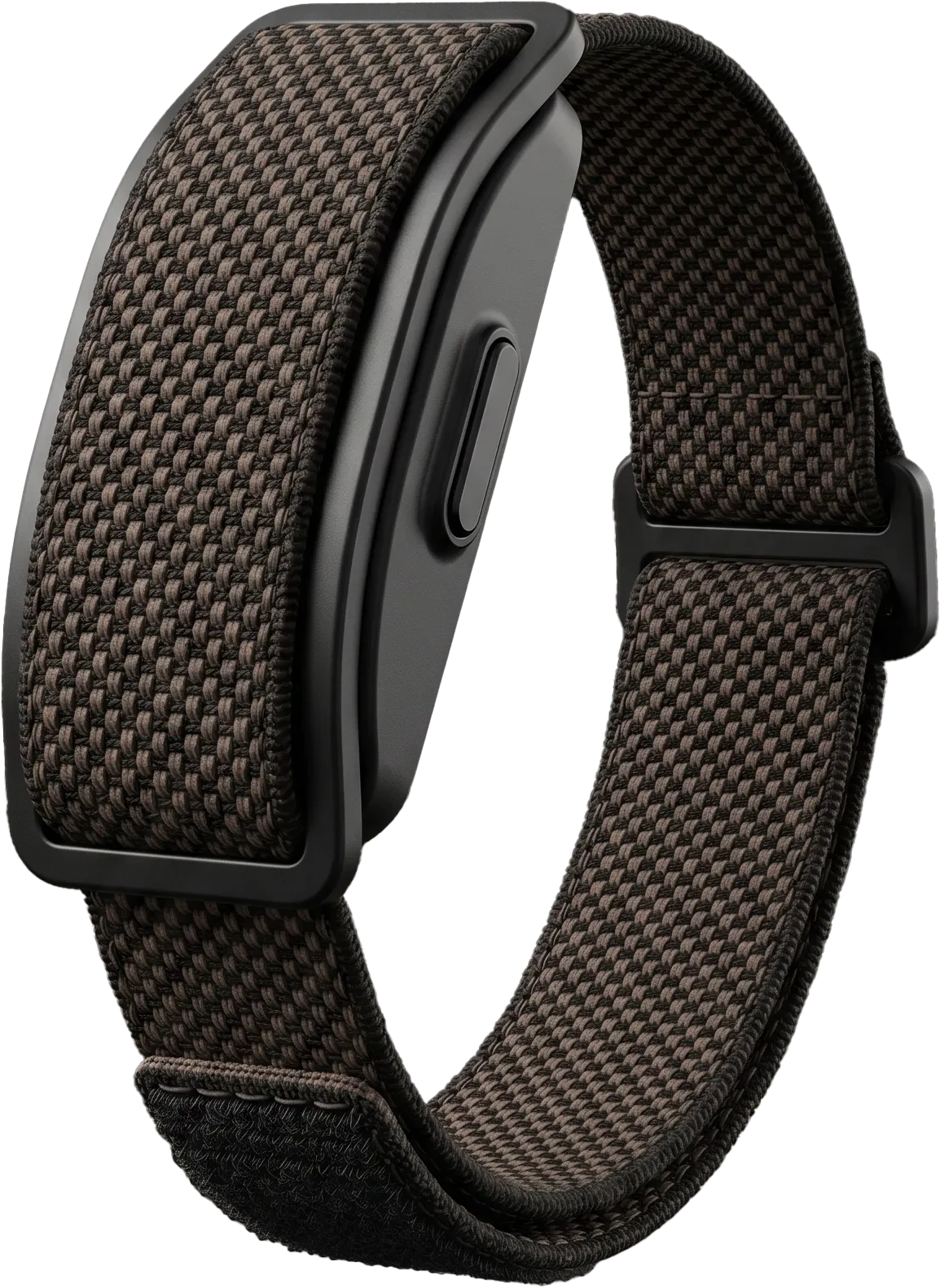
Continuous PPG and accelerometer platforms like Sensor Bio provide the raw wrist signal data that researchers and clinical programs use to track sleep-duration trends longitudinally at population scale. The right framing for this technology is measurement substrate: it converts a rough and variable behavioral pattern into a personal longitudinal record. Polysomnography remains the clinical gold standard for diagnosing sleep disorders and scoring sleep stages with the precision needed for clinical decision-making. Continuous wrist platforms are trend instruments for duration monitoring, not diagnostic replacements, and the distinction matters when deciding how to act on what the data shows.
Limits and pitfalls when interpreting sleep and aging data
Four core limitations define what the current sleep and aging evidence can and cannot support, and understanding them matters more than the headline finding for anyone trying to apply the research practically.
Measurement quality is the first concern. The UK Biobank sleep duration exposure comes from questionnaires, which means participants reported their own sleep duration rather than having it measured objectively. People are imprecise recorders of their own sleep over long periods, and the direction of error is not random. Questionnaire duration reflects timing perception and behavioral intention, not the actual physiological sleep interval. This almost certainly blurs the U-shaped curve relative to what actigraphy-derived data would reveal. The 6.4 to 7.8 hour range may be slightly off-center or slightly wider than the true biological optimum, and the boundaries of the risk zones may be sharper than the questionnaire data can demonstrate.
Study design is the second concern. The analysis shows association between self-reported sleep duration and biological age gaps across organ systems. It does not show that changing sleep duration will change a specific person’s organ-specific biological age. Confounders including underlying disease burden, physical activity, mental health status, socioeconomic factors, and undiagnosed sleep disorders could partially or substantially explain the observed associations even after the analytical adjustments the authors applied. Mendelian randomization adds some causal evidence against a simple reverse-causality dismissal, but it does not eliminate confounding from behavioral and environmental factors that are not genetically instrumentable.
The third limitation hits hardest at the long-sleep end of the curve. People who are already biologically older or systemically ill may sleep longer as a consequence of their condition rather than as a cause of further accelerated aging. The Mendelian randomization analyses in the O’Toole paper weaken but do not eliminate this concern, and the authors specifically acknowledged bidirectionality for depression-related pathways. A chronic pattern of sleeping more than 8 hours is worth discussing with a clinician. It is not a self-confirming signal of accelerated aging, because the same chronic illness or mood condition that is producing the long sleep may be doing the biological work attributed to duration.
The fourth limitation belongs to the measurement tools available at the individual level. Wrist devices can track sleep duration trends reliably enough to support longitudinal monitoring, but they cannot diagnose sleep apnea, assess depression, measure biological age acceleration, or identify what is driving changes in sleep duration over time. If your average nightly sleep trends consistently outside the 6.4 to 7.8 hour band over several months, that is a pattern worth discussing with a clinician. The data alone does not give you a diagnosis, a prognosis, or an intervention. What it gives you is a durable longitudinal record of one behavioral variable that population research has now linked to multi-organ biological aging in a large, well-characterized cohort.
| Study | Design | Key finding |
|---|---|---|
| O’Toole et al. 2026, Nature1 | Multi-omics cohort; UK Biobank; n = 37,000+; ages 37-84 | U-shaped curve: lowest biological age gap at 6.4-7.8 h across 9 of 23 organ-system clocks; both short (<6 h) and long (>8 h) sleep associated with higher biological age gaps |
| Cappuccio et al. 2010, Sleep12 | Meta-analysis of prospective cohort studies | Both short sleep (<6 h) and long sleep (>8 h) associated with elevated all-cause mortality; U-shaped mortality risk curve |
| Irwin 2016, Biological Psychiatry7 | Systematic review and meta-analysis of cohort studies and experimental protocols | Short sleep duration and sleep disturbance associated with elevated C-reactive protein and interleukin-6 |
| Buxton et al. 2010, Diabetes8 | Randomized controlled trial; healthy men | One week of sleep restriction reduced insulin sensitivity; reversed after recovery sleep |
| Chinoy et al. 2021, Sleep3 | Validation study comparing seven consumer wrist devices with polysomnography | Wrist devices estimated sleep-wake timing more accurately than individual sleep stage classification |
| Hirshkowitz et al. 2015, Sleep Health17 | Systematic evidence review; National Sleep Foundation panel | Adults 18-64: 7-9 h recommended; adults 65+: 7-8 h recommended based on population-level health outcomes |
FAQ
What is the ideal amount of sleep for healthy aging?
The sleep and aging study by O’Toole et al. (2026, Nature) found that adults in the UK Biobank with the lowest biological age gaps across 9 organ systems slept between roughly 6.4 and 7.8 hours per night.1 That range is not a single universal prescription, and it should not be treated as one. The minimum-age-gap point varied by organ system: brain proteomic aging was lowest near 7.7 to 7.8 hours, while brain MRI-based aging and endocrine metabolomic aging were lowest near 6.4 to 6.7 hours. The National Sleep Foundation recommends 7 to 9 hours for most adults and 7 to 8 hours for adults 65 and older.17 Population data guides risk expectations. Your individual sleep need depends on age, health status, activity level, medications, and other factors that a clinician is better placed to assess than any population curve alone.
Does sleeping more than 8 hours accelerate aging?
Habitual long sleep correlates with higher biological age gaps in multi-omics data and with elevated all-cause mortality in prospective cohort meta-analyses.12 That correlation is real, but the mechanism is not a simple dose-response relationship between more sleep and faster aging. Long sleep in population studies typically reflects compensatory recovery, poor sleep architecture, underlying disease, depression, obstructive sleep apnea, sedating medications, or low physical activity rather than an independent aging exposure. A long night after illness, heavy training, or accumulated sleep debt is not a concern. What warrants attention is chronic, unexplained sleep duration consistently above 8 hours without a clear underlying reason. One review found that habitual long sleepers as a group tend to carry elevated pre-existing disease burden, which partly accounts for the mortality signal.16 If your habitual sleep is consistently above 8 hours and you cannot attribute it to recovery or activity demands, that pattern is worth discussing with a clinician.
How does sleep duration affect biological age across organ systems?
In sleep and aging research, O’Toole et al. mapped self-reported sleep duration against 23 biological aging clocks in more than 37,000 UK Biobank participants.1 Nine of those clocks showed statistically significant U-shaped associations after correcting for multiple comparisons. The affected systems included brain, pulmonary, hepatic, immune, skin, endocrine, adipose, and pancreatic aging estimates. Short sleep disrupts multiple recovery mechanisms at the same time: brain metabolite clearance, autonomic regulation, immune homeostasis, and metabolic control all depend on sleep time in different ways. Long sleep, by contrast, is more often a marker of systemic aging burden already underway, operating through different organ-system mediators. The O’Toole data found that long-sleep associations with late-life depression were predominantly mediated through brain and adipose MRI-derived biological age gaps, while short-sleep associations showed stronger direct pathways across six organ systems. Same U-shaped curve, different biology at each end.
Can a wrist wearable tell you whether you are sleeping in the healthy-aging range?
Wrist-based accelerometers and PPG sensors can estimate total sleep duration continuously, night after night, in a way that memory-based logs and periodic questionnaires cannot match.2 Validation studies show that these platforms estimate sleep-wake timing reasonably well compared with polysomnography, though individual sleep stage classification remains less accurate than duration estimates.3 For sleep and aging purposes, duration is the primary variable of interest from the O’Toole study, which makes continuous wrist tracking directly relevant for understanding whether your average nightly sleep is trending short, long, or within the healthy-aging range over weeks and months. That said, wrist platforms do not measure biological age, diagnose sleep disorders, or replace clinical evaluation. They give you the longitudinal duration trend that questionnaire data and nightly recall consistently miss. One good or bad night says almost nothing. Multi-week patterns are the signal worth paying attention to.
Why do short sleepers and long sleepers have similar health risks?
Both sleep-duration extremes associate with accelerated biological aging and elevated mortality risk,12 but the mechanisms that get them there differ substantially. Short sleep removes time for brain metabolite clearance, autonomic recovery, immune regulation, and metabolic maintenance. These are active physiological processes that require sleep time to run, and cutting the time means cutting the process. Long sleep in population studies typically reflects compensatory recovery, poor sleep quality, or the presence of underlying conditions including depression, sleep apnea, chronic inflammatory disease, or neurodegenerative processes that increase sleep demand or reduce sleep efficiency simultaneously. In the O’Toole data, short sleep showed strong direct effects on late-life depression across six organ systems, while long sleep operated primarily through MRI-derived biological age gap mediators in brain and adipose tissue. The two extremes sit at the same elevated-risk positions on a U-shaped curve, but they arrive there through different biology, which is why the appropriate response to chronically sleeping 5 hours looks entirely different from the response to consistently sleeping 10.
How does sleep change as people get older, and does the recommended range shift?
Sleep architecture deteriorates progressively with age. Slow-wave sleep declines, fragmentation increases, nocturnal awakenings become more frequent and harder to return from, and circadian timing advances so that early morning waking becomes more common even in people who would prefer to sleep later. Sleep efficiency, the proportion of time in bed actually spent asleep, typically falls across the decades. As a result, older adults frequently report shorter total sleep duration even when their time in bed stays roughly constant, because their sleep is more interrupted and less consolidated than it was at younger ages. The National Sleep Foundation recommends 7 to 8 hours for adults 65 and older, somewhat narrower than the 7 to 9 hours recommended for younger adults.17 The O’Toole study did not separately test the U-shaped curve within distinct age strata, so whether the healthy-aging duration band shifts or narrows for older adults specifically remains an open question in the literature. What the broader sleep and aging evidence consistently shows is that physiological vulnerability to sleep disruption increases with age, which makes duration monitoring more rather than less relevant as a longitudinal tracking target as people move through their fifties, sixties, and beyond.
References
References
- O’Toole, C. K., Song, Z., Anagnostakis, F., et al. Sleep chart of biological ageing clocks in middle and late life. Nature (2026). DOI: 10.1038/s41586-026-10524-5.
- de Zambotti, M., Cellini, N., Goldstone, A., Colrain, I. M. & Baker, F. C. Sensors capabilities, performance, and use of consumer sleep technology. Sleep Medicine Clinics 15, 1-30 (2020). DOI: 10.1016/j.jsmc.2019.11.003.
- Chinoy, E. D., Cuellar, J. A., Huwa, K. E., et al. Performance of seven consumer sleep-tracking devices compared with polysomnography. Sleep 44, zsaa291 (2021). DOI: 10.1093/sleep/zsaa291.
- Iliff, J. J., Wang, M., Liao, Y., et al. A paravascular pathway facilitates CSF flow through the brain parenchyma and the clearance of interstitial solutes, including amyloid beta. Science Translational Medicine 4, 147ra111 (2012). DOI: 10.1126/scitranslmed.3003748.
- Xie, L., Kang, H., Xu, Q., et al. Sleep drives metabolite clearance from the adult brain. Science 342, 373-377 (2013). DOI: 10.1126/science.1241224.
- Spiegel, K., Leproult, R. & Van Cauter, E. Impact of sleep debt on metabolic and endocrine function. The Lancet 354, 1435-1439 (1999). DOI: 10.1016/S0140-6736(99)01376-8.
- Irwin, M. R. Sleep disturbance, sleep duration, and inflammation: a systematic review and meta-analysis of cohort studies and experimental sleep deprivation. Biological Psychiatry 80, 40-52 (2016). DOI: 10.1016/j.biopsych.2015.05.014.
- Buxton, O. M., Pavlova, M., Reid, E. W., et al. Sleep restriction for 1 week reduces insulin sensitivity in healthy men. Diabetes 59, 2126-2133 (2010). DOI: 10.2337/db09-0699.
- Donga, E., van Dijk, M., van Dijk, J. G., et al. A single night of partial sleep deprivation induces insulin resistance in multiple metabolic pathways in healthy subjects. Journal of Clinical Endocrinology & Metabolism 95, 2963-2968 (2010). DOI: 10.1210/jc.2009-2430.
- Diekelmann, S. & Born, J. The memory function of sleep. Nature Reviews Neuroscience 11, 114-126 (2010). DOI: 10.1038/nrn2762.
- Cappuccio, F. P., D’Elia, L., Strazzullo, P. & Miller, M. A. Sleep duration and all-cause mortality: a systematic review and meta-analysis of prospective studies. Sleep 33, 585-592 (2010). DOI: 10.1093/sleep/33.5.585.
- Grandner, M. A. & Drummond, S. P. A. Who are the long sleepers? Towards an understanding of the mortality relationship. Sleep Medicine Reviews 11, 341-360 (2007). DOI: 10.1016/j.smrv.2007.03.010.
- Hirshkowitz, M., Whiton, K., Albert, S. M., et al. National Sleep Foundation’s updated sleep duration recommendations: final report. Sleep Health 1, 233-243 (2015). DOI: 10.1016/j.sleh.2015.10.004.