



Noom Band puts Sensor Bio's validated sensing inside a program millions of people already use
Sensor Bio's sensors and raw-data platform power Noom Band, unveiled at HLTH USA 2026 and included in Noom Health programs in early 2027.
Press release
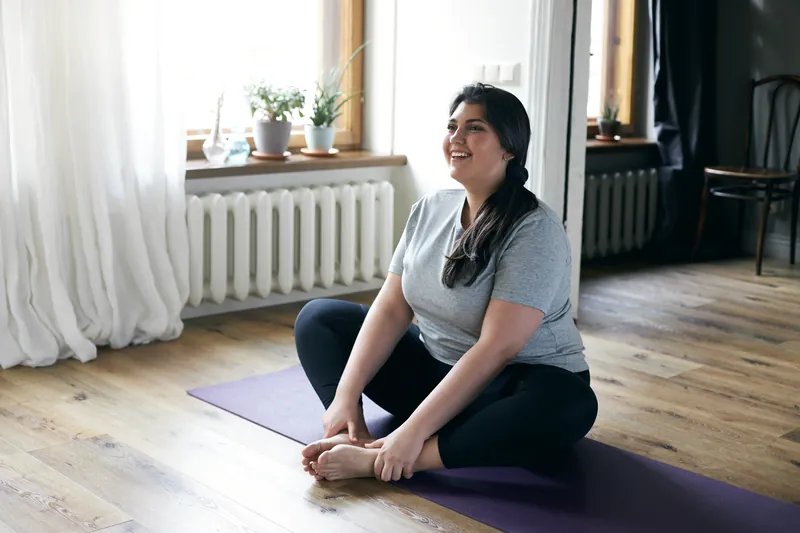
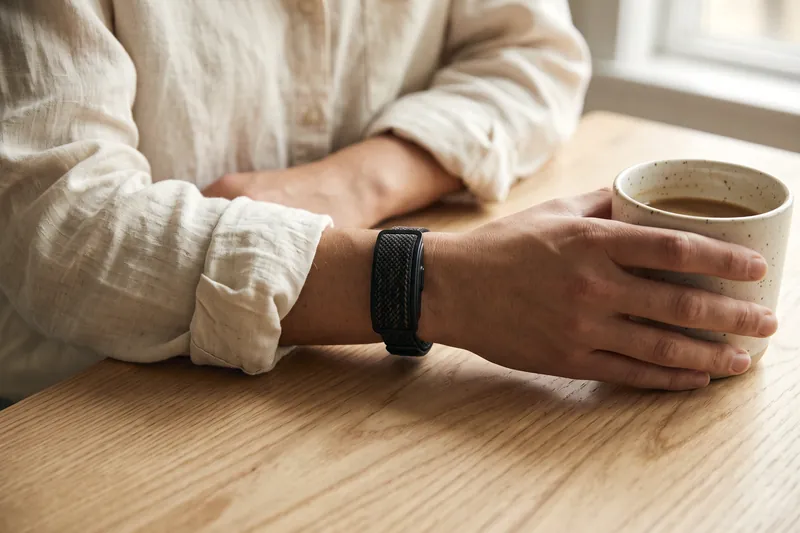
Lifestyle photography courtesy of Noom.
SDK integration
Noom built Noom Band on the Sensor Bio SDK and API.
Data flows from the band through our SDK into Noom's own app.
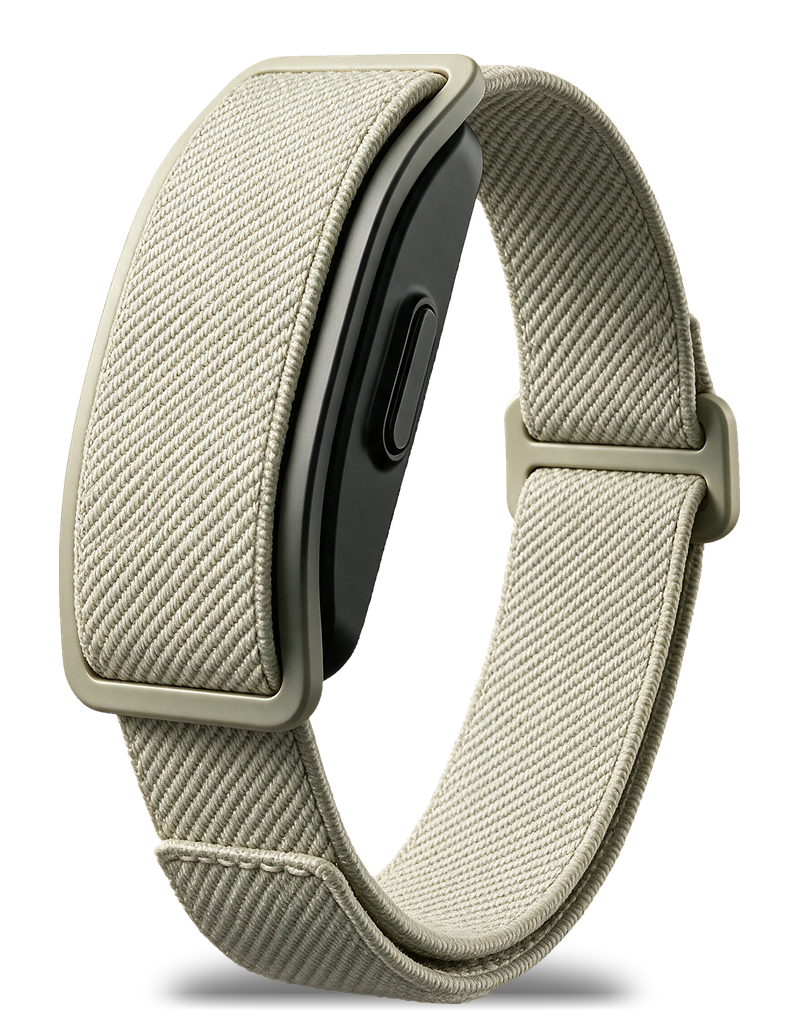
01
Worn every day
Sensor Bio V2 hardware captures the raw signal.
- Sensor Bio SDKIllustrativeimport SensorBioSDKlet band = SensorBio.pair()band.stream { app.ingest($0) }
- HR
- HRV
- SpO2
- Sleep
- Activity
02
Sensor Bio SDK and API
Pairs the band and streams the data.
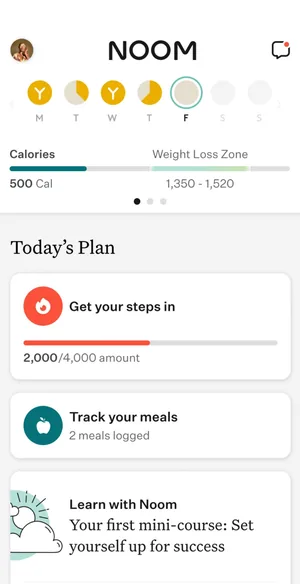
03
Inside the Noom app
Noom's own app, brand and coaching.


From Noom's announcement
Noom to Bundle a New Wearable, Noom Band, Into Its Popular Enterprise Obesity Care Programs at No Additional Cost
Launching in early 2027, Noom Band connects activity, sleep, and cardiovascular insights directly into Noom's award-winning behavior-change system to deliver the industry's most powerful metabolic health program
LAS VEGAS, November 16, 2026. Noom, the leading behavior change company, today announced Noom Band, a new wearable integrated directly into its enterprise health programs and designed to accelerate behavior change and improve outcomes.
Unveiled at HLTH USA 2026 in Las Vegas, Noom Band will be included for all Noom Health employer and health plan clients in 2027, with no additional up-front cost to the payer.
Noom Band is bundled into existing Noom Health programs, including Weight, Med, Diabetes and DPP, and is not sold as a standalone device.
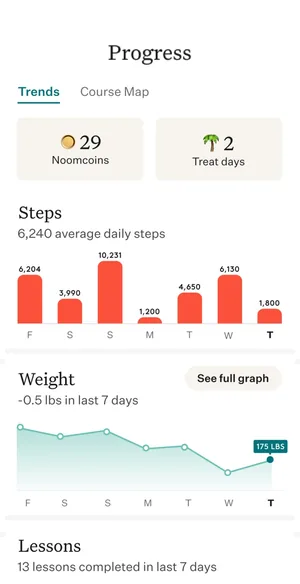
Noom Band is powered by Sensor Bio, whose validated wearable sensors and raw-data platform capture continuous physiological signals: heart rate, HRV, SpO2, sleep and activity. That data flows directly into Noom's behavior-science engine.
Sensor Bio's research-grade sensing has been used in peer-reviewed published studies and validations, including research with leading universities, health systems and government agencies.
Noom has proven its ROI through various RCTs and whitepapers. Now we are deeply integrating the wearable with cutting-edge behavior science to drive superior health outcomes and ROI for payers. Best of all, Noom is including the wearable at no additional cost to the payer.

Geoff Cook
CEO of Noom
Unlike other wearables that are focused primarily on athletic performance, Noom Band is designed to capture measurements related to weight management and metabolic health so that members stay engaged, build lasting habits, and see meaningful improvements in their health beyond the number on the scale.
What this strategic partnership means
Noom Band is what Sensor Bio was built for. Validated sensing and raw physiological data stop being a standalone gadget and become trusted infrastructure inside a program millions of people already use.
Noom gets the full signal, not just processed scores, and turns it into daily behavior change. The same platform is available to every partner: white-label hardware, raw data through the Sensor Bio SDK and API, and a dashboard that supports remote monitoring for programs at scale.
Validated sensing
Sensor Bio's sensing has been used in peer-reviewed published studies and validations with universities, health systems and government agencies.
Raw data, not black boxes
Partners get continuous raw physiological data, so their own models and programs decide what the signal means.
Infrastructure at scale
More than 100 device configurations, an SDK and API, and a dashboard for programs that serve whole populations.
Noom is proving what we've believed all along: better health outcomes start with better data. Noom Band takes our validated sensing and raw physiological data and turns it into daily behavior change at scale. This is the model for how wearables should work. Not another device chasing athletes, but trusted infrastructure inside a program millions of people already use.

Sameer Sontakey
Founder, Sensor Bio
Early data from Noom
Noom reports early data from its own member analyses. These figures are Noom's, not Sensor Bio's, and have not been peer-reviewed.
34%1
Noom members using a connected wearable
In an analysis of Noom members taking a GLP-1 medication, those who used a connected wearable were 34% more likely to lose 20 pounds by month 4.
Source: Noom. Not peer-reviewed.
90 min2
Noom Band trial members
On average, members on a GLP-1 who used Noom Band slept 90 minutes more per week after only two months, and members who started with a sleep deficit added 150 minutes of sleep per week.
Source: Noom. Not peer-reviewed.
We didn't set out to build another wearable, we set out to build the ultimate metabolic health program that drives better health outcomes for members leading to increased ROI for clients. For employers and health plans, that's the difference between a fitness perk that gets left in a drawer and a tool built to deliver health outcomes they're already paying for and that is available to their population at no additional cost.

Cody Fair
Chief Commercial Officer of Noom Health
See Noom Band at HLTH
Noom Band will be on display at the Noom Health booth (#2832) at HLTH USA 2026, November 15 to 18, at The Venetian Expo in Las Vegas. Noom executives are speaking about Noom Band at HLTH's Media Village at 8:30 AM PT on November 16. Additional Noom speakers at HLTH include: Cody Fair, Chief Commercial Officer of Noom Health; Charles Duhigg, Pulitzer-prize winning journalist and Noom advisor.
To speak with Noom executives at HLTH, contact comms@noom.com.
About Sensor Bio
Headquartered in Austin, Texas, Sensor Bio is the wearable infrastructure behind research, health and enterprise programs. Its validated sensor platform supports more than 100 device configurations and gives partners full access to raw physiological data, not just processed scores. Partners build on Sensor Bio through its SDK and API, and the Sensor Bio dashboard powers remote monitoring for programs at scale. Learn more at sensorbio.com.
Sensor Bio V2 is a general wellness device. It is not FDA cleared and is not intended to diagnose, treat, cure or prevent any disease.
About Noom
Noom is the leading behavior change company, empowering everyone, everywhere to live better longer, every day. Noom pairs sustainable behavior change with prescription-grade catalysts to make lasting change feel easy. Noom Health partners with top health plans and employers to offer millions of Americans a suite of metabolic health solutions, including Noom Clinical (Noom Med, Noom SmartRx, and NoomRx programs), Noom Weight, Noom Diabetes, and Noom Diabetes Prevention Program. Noom is building the future of preventive care and longevity medicine, leading the convergence of wearable-monitored behavior change, clinical care, diagnostics, and pharmacy into an integrated, AI-enhanced system that drives individualized, meaningful health outcomes.
Noom has received multiple grants from the NIH for digital health research and innovation and has been recognized by the CDC for its groundbreaking diabetes prevention programs. Headquartered in Princeton, NJ and with additional offices in New York City, Noom has been honored as a TIME100 Industry Leader, a Newsweek Most Trusted Brand, was named a “Best GLP-1 Telehealth Platform” by US News & World Report, and has been recognized by Inc. and Fortune as a best place to work. Learn more at noom.com.
Notes
- Weight-loss analysis. Among 144,593 Noom Med users who signed up between September 16, 2025 and July 8, 2026, opened the app in month 1, had at least two weight measurements, and connected a device in month 1. These data have not been peer-reviewed.
- Sleep analysis. Among 499 members enrolled in a clinical trial who received the Noom Band, members averaged 12.98 [95% CI = 10.24, 15.78] additional minutes of sleep per night. Noom members on a GLP-1 with the Noom Band who started with a sleep deficit added 1.5 nights of sleep per month. Among 103 members enrolled in a clinical trial who received the Noom Band and started with a baseline sleep duration that averaged less than 7 hours per night, members added 21.44 [95% CI = 14.60, 29.11] minutes of sleep per night in the first two months. These data have not been peer-reviewed.
Figures and footnotes provided by Noom.
Contacts
Sensor Bio
comms@sensorbio.comNoom
comms@noom.com
© 2026 Sensor Bio, Inc. Noom and Noom Band are trademarks of their respective owner.
Build on the same platform
The infrastructure behind Noom Band is open to your program.
White-label hardware, raw physiological data through our SDK and API, and a dashboard for programs at scale.